
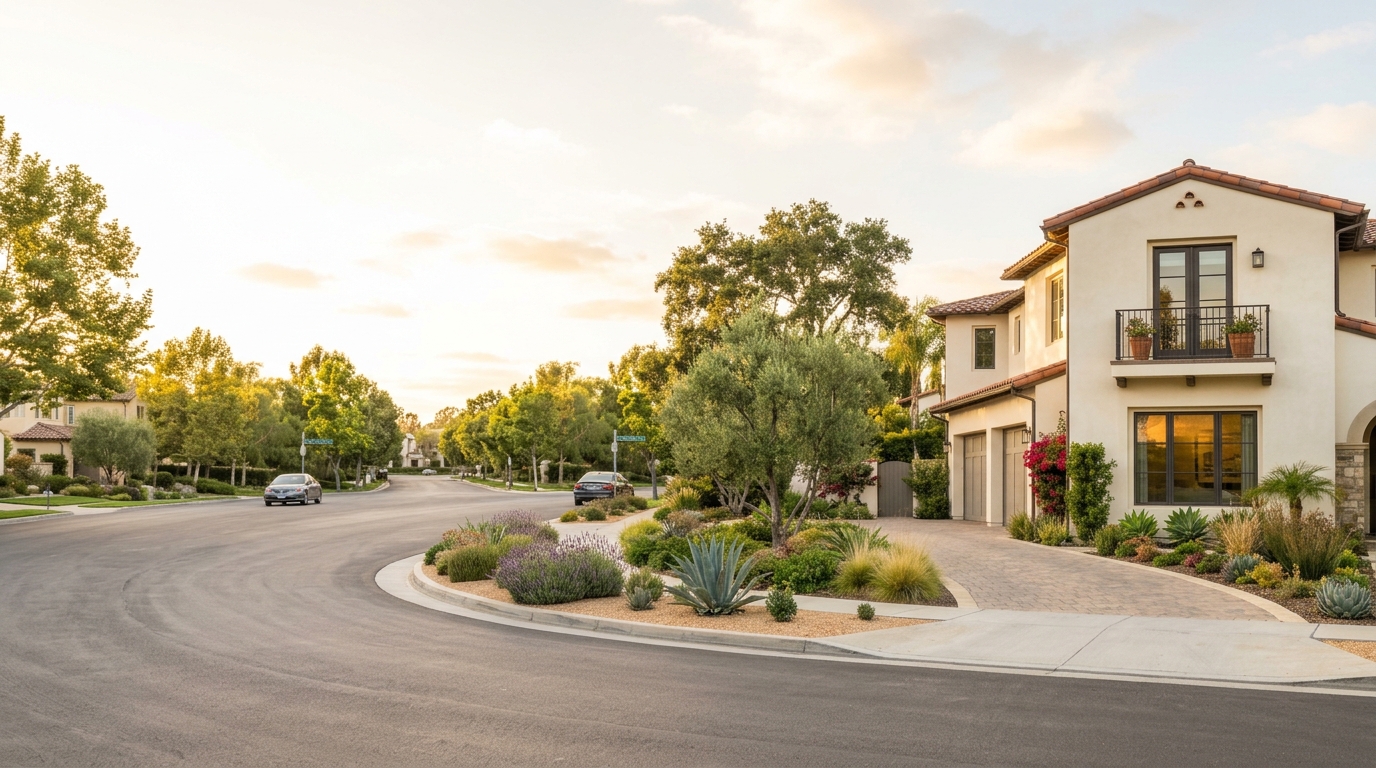
California’s 2026 housing market is giving homeowners mixed signals. Home prices remain high, mortgage rates are limiting affordability, and sales activity has struggled to build sustained momentum. At the same time, conditions vary sharply by region, and some sellers are seeing strong demand when a home is well priced, well maintained, and located in a tight-inventory market.
For homeowners deciding whether to sell, renovate, refinance, or simply monitor their property value, statewide headlines only tell part of the story. The California Association of Realtors reported a statewide median price of $887,680 for an existing single-family home in July 2026, down 1.9% from June but up 0.3% from July 2025. Sales ran at a seasonally adjusted annualized rate of 263,170, down 6.0% from June but up 1.1% year over year.
Those numbers describe the statewide market, not the value of an individual property. California is a collection of highly local markets, so homeowners should evaluate neighborhood inventory, comparable sales, condition, insurance, and financing before making a major decision. If you are preparing a property for sale, browse our California homeowner directory for local home and property services.
What the 2026 California Housing Market Is Telling Homeowners
California entered the second half of 2026 with high home values but restrained transaction volume. Sales have remained below the 300,000 annualized benchmark for an extended period, reflecting the impact of affordability pressures and elevated borrowing costs. Yet homes are still selling, and July sales were slightly higher than a year earlier.
A slower sales market does not automatically mean home values are collapsing. It can indicate that buyers and sellers are both moving cautiously. Owners with low-rate mortgages may hesitate to move, while buyers must qualify at today’s higher rates and monthly payments.
Home prices have softened, but California remains expensive
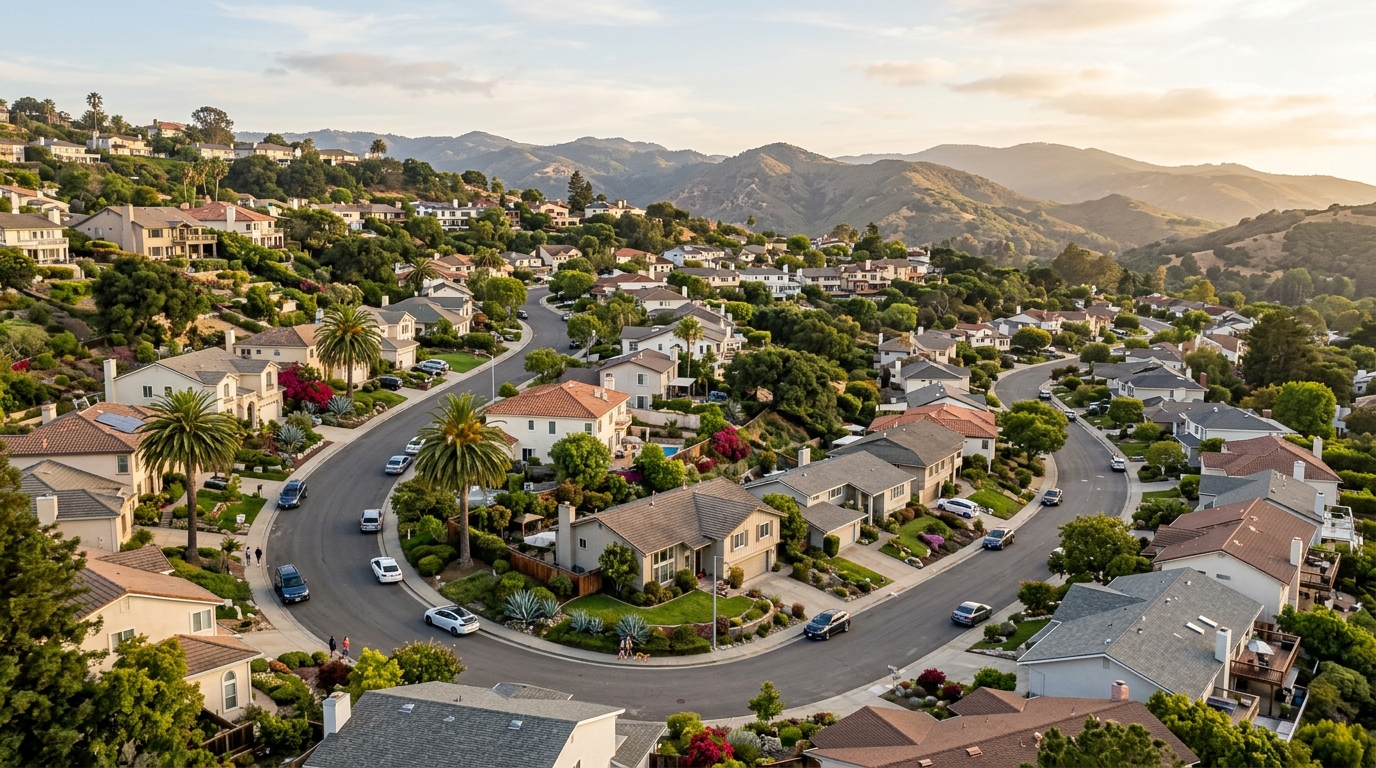
California’s July median price of $887,680 fell below $900,000 for the first time in four months. The monthly decline was larger than the typical June-to-July change seen over the previous decade, but the median was still slightly higher than one year earlier.
The statewide median price per square foot was $434 in July 2026, slightly below $436 in July 2025. The share of million-dollar sales also declined from June, reinforcing the picture of subdued rather than rapidly accelerating price growth.
Do not use the statewide median as your home’s estimated value
A statewide median is useful for understanding broad direction, but it is a poor substitute for neighborhood-level comparable sales. A three-bedroom home in Sacramento, a coastal property in Orange County, a condominium in San Francisco, and a house in the Inland Empire operate in very different markets.
If you are considering selling, review recent closed sales that are genuinely comparable in location, lot size, square footage, condition, age, and property type. Active listings show your current competition, but they do not prove what buyers will actually pay. Pending and recently closed sales are often more useful for understanding current demand.
Regional trends matter more than statewide headlines
July data illustrates how different California’s markets can be. Southern California’s regional median price was higher than a year earlier, while the San Francisco Bay Area and Central Coast posted year-over-year declines. Sales also varied, with the Central Coast showing stronger annual sales growth than other major regions.
County-level numbers can swing even more sharply, especially where transaction volume is low. Avoid making a major decision based on one monthly percentage change; compare several months of neighborhood, county, and regional data.
Mortgage rates are still shaping buyer demand
Mortgage rates remain one of the biggest constraints on California affordability. Freddie Mac reported an average 30-year fixed mortgage rate of 6.66% for the week ending August 27, 2026. At that rate, the monthly principal-and-interest payment on a large California mortgage can be dramatically higher than it would have been at the unusually low rates available earlier in the decade.
Higher rates affect sellers even when they do not need financing themselves. Buyers generally shop according to monthly payment, not only purchase price. When rates rise, some buyers qualify for less, reduce their offer, change neighborhoods, or leave the market temporarily.
Price your home for today’s payment environment
A seller may see a nearby home that sold for a record price during a stronger market and assume the same price is still achievable. That can be risky. The buyer evaluating your home today may face a very different mortgage payment, insurance premium, property-tax bill, and overall cost of ownership.
Pricing should reflect current comparable sales and competition. A home that starts too far above market value may accumulate days on market and require reductions, while a well-positioned property can attract stronger early interest.
How California Homeowners Can Prepare to Sell in 2026
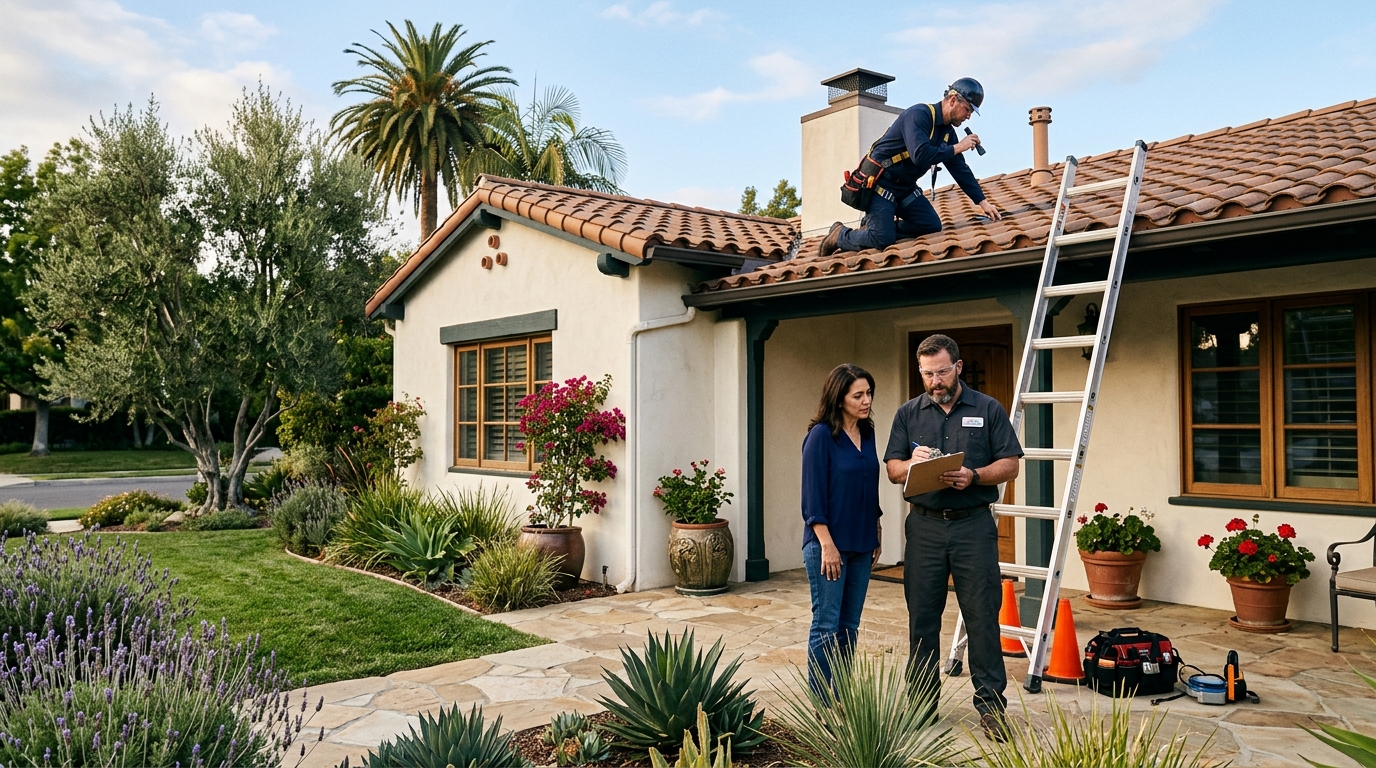
Homeowners cannot control mortgage rates, but they can control how a property is prepared, documented, presented, and priced. When buyers are sensitive to monthly costs, visible maintenance problems and uncertain repair expenses can weigh heavily on offers.
Start with the basics: roof condition, plumbing leaks, electrical issues, heating and cooling, drainage, exterior paint, landscaping, windows, doors, and obvious safety concerns. Buyers may accept an older kitchen more readily than evidence of deferred maintenance that could become an expensive project after closing.
Focus improvements on condition, documentation, and buyer confidence
Before starting a major renovation solely for resale, compare the likely cost with the value it may add. Expensive remodels do not guarantee dollar-for-dollar returns, particularly if your timeline is short. In many cases, targeted repairs, fresh paint, improved lighting, professional cleaning, landscaping, and removal of clutter can improve presentation at a lower cost.
California-specific issues also deserve attention. If the property is in a wildfire-prone area, buyers may ask about insurance availability and home-hardening work. Keep records of roof replacements, ember-resistant vents, defensible-space improvements, electrical upgrades, and other completed work. Our California home insurance 2026 guide explains why insurance availability has become an increasingly important part of the ownership and purchase decision.
If you have built an accessory dwelling unit, converted a garage, or are considering adding one before a sale, confirm permits and documentation. Our California ADU laws 2026 guide covers current state rules involving permitting, size, parking, and other homeowner considerations. An attractive improvement can create uncertainty instead of value when a buyer cannot determine whether it was legally permitted.
Prepare for a more informed and cost-conscious buyer
Today’s buyers have access to listing histories, property records, estimated payments, neighborhood data, wildfire maps, insurance information, and competing listings before they ever schedule a showing. Sellers should assume that serious buyers will research the property thoroughly.
Create a clean file of permits, warranties, invoices, appliance information, major repair records, solar documentation, and improvements. If you recently installed an efficient HVAC system or completed other energy work, keep the related records as well. Our California home energy rebates 2026 guide provides additional context for homeowners considering energy upgrades.
Inventory conditions can also affect negotiation strategy. C.A.R. reported a statewide Unsold Inventory Index of 3.4 months in July, up from 3.1 months in June but still below 3.7 months a year earlier. Active listings were also lower than one year before. That suggests supply remains constrained statewide, although individual neighborhoods can have far more or far less competition.
The median California single-family home took 26 days to sell in July 2026, compared with 28 days in July 2025, and the statewide sales-price-to-list-price ratio was 99.3%. Those figures show that properly positioned properties can still move relatively quickly, but they should not be interpreted as a guarantee that every home will sell near asking price.
comparative market
Before listing, ask for a comparative market analysis and review the actual homes your property will compete against. Consider the expected net proceeds after commissions, taxes, repairs, moving costs, mortgage payoff, and any concessions. If you plan to buy another property, model that purchase using realistic current mortgage rates rather than assuming rates will fall immediately.
If you are not under pressure to sell, improving the existing property may make more sense than giving up a low-rate mortgage. An ADU, energy upgrade, accessibility project, or targeted remodel can help a home meet changing needs. Browse our California homeowner articles for more planning guides.
The 2026 California housing market is not simply a buyer’s market or a seller’s market. It is a selective market shaped by high prices, elevated mortgage rates, limited affordability, and highly local inventory conditions. Homeowners who rely on neighborhood-level evidence, prepare their properties carefully, and price according to current buyer economics will be in a stronger position than those relying on statewide headlines or past peak prices.
For current statewide statistics, review the California Association of Realtors housing market report. Then combine that statewide context with local comparable sales, current competition, and the actual financial goals of your household before deciding whether 2026 is the right time to sell.