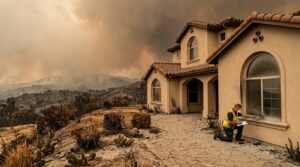
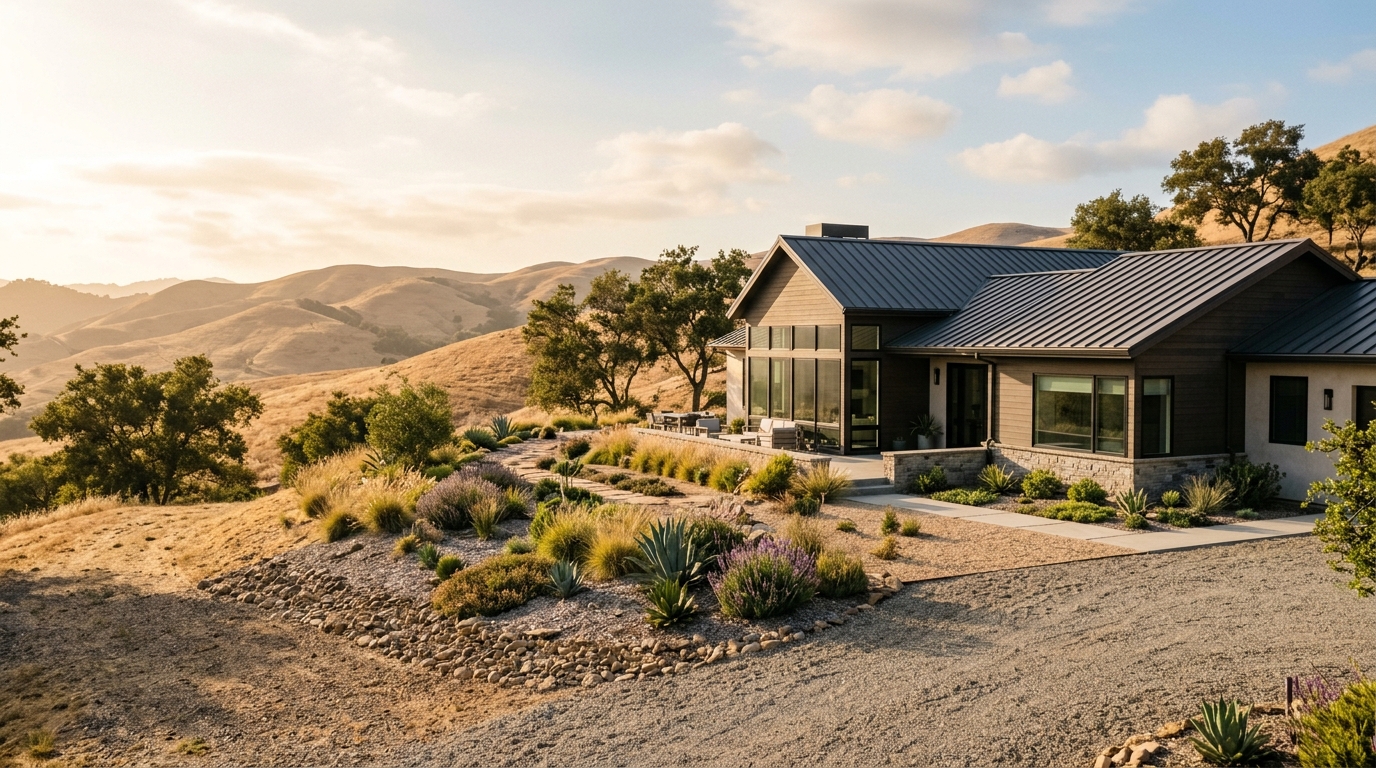
California homeowners are entering the second half of 2026 with a home insurance market that is still difficult, but no longer moving in only one direction. Wildfire exposure, rebuilding costs, reinsurance expenses, and years of insurer pullbacks continue to shape what homeowners pay and whether they can find coverage. At the same time, several insurers have announced plans to expand business in California, including in wildfire-distressed areas, as the state rolls out insurance-market reforms intended to improve availability.
For homeowners, the practical message is simple: do not wait until a renewal notice arrives to think about insurance. A better approach is to understand how your home is being evaluated, reduce preventable wildfire risk, document improvements, compare coverage rather than price alone, and understand when the California FAIR Plan may be part of the solution. Homeowners searching for roofers, landscapers, contractors, and other property professionals can also browse our California homeowner directory for local service categories.
Why California Home Insurance Is Changing in 2026
California’s insurance problem did not appear overnight. In higher-risk areas, some homeowners have dealt with nonrenewals, limited carrier choices, increasing premiums, and greater dependence on the FAIR Plan. Major wildfires have also increased pressure on insurers and highlighted disputes involving smoke damage, temporary housing, repair estimates, and the cost of rebuilding homes to current standards.
There are, however, signs that insurance availability may be stabilizing in parts of the state. The California Department of Insurance reported in 2026 that multiple homeowners insurance groups had committed to expanding their California presence. That does not mean every homeowner will suddenly receive several inexpensive offers. It does suggest that competition may gradually improve if insurers follow through on expansion plans and risk-reduction work makes more properties acceptable to standard carriers.
More insurers are returning, but wildfire risk still drives availability
Where a home is located remains one of the biggest factors in insurance availability. Insurers may consider wildfire models, vegetation, topography, emergency-response access, construction type, roof condition, nearby structures, and other property-level or community-level factors. Two homes within the same county can therefore have very different insurance options.
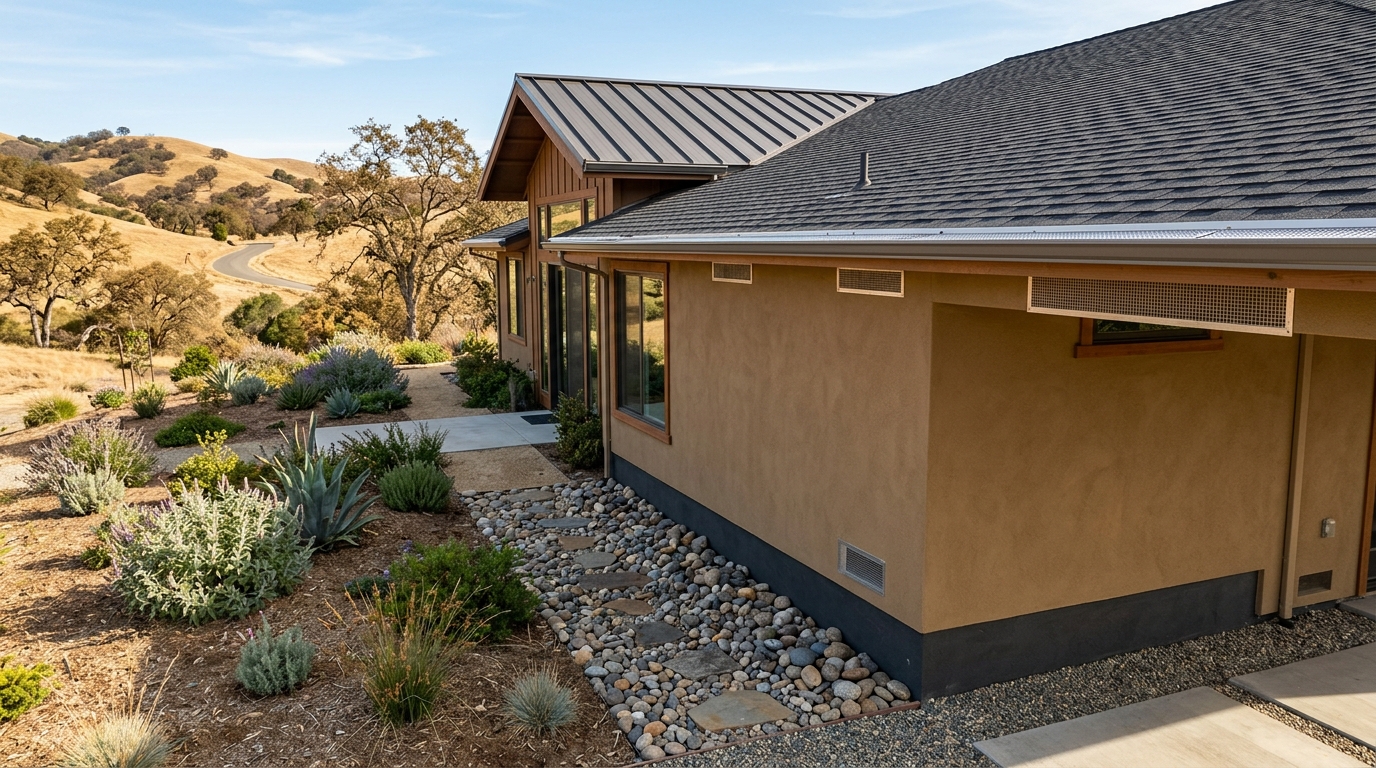
Home hardening is becoming increasingly important in that evaluation. California’s Safer from Wildfires framework identifies actions such as ember-resistant vents, Class A roofs, defensible space, enclosed eaves, and other measures intended to reduce the possibility that wildfire embers ignite a structure. The California Department of Insurance says qualifying mitigation actions can also result in insurance discounts. Homeowners should review the official California Department of Insurance Safer from Wildfires guidance before undertaking upgrades specifically for insurance purposes.
Discounts are useful, but homeowners should not assume that completing one project automatically guarantees renewal. Insurers consider several variables, and underwriting requirements differ by company. A better strategy is to make the property measurably safer, keep receipts and photographs, and ask insurers how mitigation improvements affect both eligibility and premium calculations.
Harden the home before shopping
If you expect to shop for insurance within the next few months, begin with parts of the property most likely to influence wildfire vulnerability. Clear leaves and combustible debris from roofs and gutters. Move firewood, fuel, outdoor furniture, and other combustible materials farther from structures. Maintain defensible space around the property and inspect decks, fences, vents, and roof edges where wind-blown embers may collect.
Larger improvements may include replacing a combustible roof, installing ember-resistant vents, enclosing exposed eaves, or using ignition-resistant materials close to the structure. These projects can be expensive, so prioritize improvements based on your property’s actual risk and obtain qualified advice before making major investments. Our California homeowner articles and guides can also help you research maintenance and improvement projects before hiring a professional.
The FAIR Plan remains a safety net, not a full homeowners-policy replacement
The California FAIR Plan is an important option for homeowners who cannot obtain regular coverage, particularly in areas with significant wildfire exposure. Homeowners should nevertheless understand what the FAIR Plan is designed to provide. FAIR Plan coverage generally concentrates on specific property risks and does not automatically provide the same broad protection available through a traditional homeowners policy.
Traditional homeowners insurance commonly includes liability protection, theft coverage, and other protections that may not be included in a basic FAIR Plan policy. Some homeowners therefore combine FAIR Plan coverage with a Difference in Conditions, or DIC, policy intended to fill important gaps. Details vary by policy, making it important to read actual coverage documents rather than choosing based only on the quoted premium.
When reviewing a FAIR Plan quote, determine which losses are covered, which are excluded, what deductibles apply, whether extended coverage has been included, and whether you need a separate DIC policy. You should also continue asking whether standard-market insurers have become available. A FAIR Plan policy can provide an essential fallback when standard insurance is unavailable, but homeowners can continue checking the regular market as availability changes.
Document every upgrade
Insurance companies cannot properly evaluate improvements they do not know about. Maintain a digital property file containing dated photographs, contractor invoices, permits, material specifications, roofing documents, inspection reports, and landscaping records. If you install ember-resistant vents or a Class A roof, retain the product specifications. If you improve defensible space, take clear before-and-after photographs.
These records can be helpful during underwriting, renewal reviews, and future claims. They can also help future buyers understand improvements completed on the property. Keep backup copies away from the physical home, such as in secure cloud storage, so your documents remain accessible following a wildfire or another major disaster.
What Homeowners Can Do Now to Protect Coverage and Costs
The insurance market is changing quickly enough that homeowners should treat coverage as an ongoing property-management responsibility. A policy that worked several years ago may now have different limits, exclusions, deductibles, or reconstruction assumptions. The objective is not simply to avoid a nonrenewal. Your coverage also needs to provide meaningful financial protection if a serious loss actually occurs.
A practical 2026 insurance action plan

Start by locating your current declarations page and identifying your dwelling limit, personal-property coverage, loss-of-use coverage, liability limit, deductibles, and any special wildfire provisions. Compare your dwelling limit with a realistic estimate of what rebuilding the home would cost today. California construction costs vary considerably by region, and rebuilding following a major disaster can become more expensive when labor and construction materials are suddenly in high demand.
Ask your insurer or agent whether the policy includes extended replacement cost, building-code upgrade coverage, debris removal, and sufficient additional living expense protection. These provisions may become extremely important after a total or near-total loss.
Do not assume your property’s market value represents the amount needed for insurance. Market value reflects land, neighborhood, schools, demand, and location. An insurance reconstruction estimate instead focuses primarily on the cost of rebuilding the insured structure and completing other covered work.
Compare admitted-market and FAIR Plan options carefully
If your insurer announces that it will not renew the property, begin shopping immediately instead of waiting until the expiration date approaches. Ask more than one licensed agent or broker to investigate standard carriers because underwriting requirements vary by company. If traditional coverage remains unavailable, discuss whether the FAIR Plan combined with supplemental coverage is appropriate.
Compare policies line by line. A cheaper premium may become costly if the policy creates significant gaps involving liability, theft, water damage, code upgrades, or temporary living expenses. Compare deductibles in actual dollars as well. A high deductible can create a substantial out-of-pocket expense precisely when a household is already dealing with a major loss.
Review replacement cost before every renewal
One potentially expensive mistake is allowing a dwelling limit to remain unchanged as construction costs rise. Review the replacement-cost calculation each year and whenever you make substantial improvements. A kitchen expansion, additional bedroom, detached structure, large remodeling project, or upgraded interior finishes may increase what rebuilding would cost.
Create a current home inventory too. Photograph individual rooms, furniture, appliances, electronics, tools, artwork, and major purchases. Save receipts and serial numbers for expensive items. A detailed inventory can make a future insurance claim easier to document while helping you determine whether existing personal-property limits remain appropriate.
Finally, make insurance part of a broader California homeowner resilience plan. Wildfire preparation, earthquake safety, roof maintenance, drainage, energy upgrades, and emergency planning can all influence the long-term cost and usability of a property. Browse our local services directory when researching professionals, and visit our Articles section for additional California homeowner guides as regulations, incentives, and market conditions evolve.
California’s home insurance market in 2026 remains challenging, particularly for properties located in wildfire-prone communities. Homeowners nevertheless have more control when they prepare before a renewal problem occurs. Strengthen the property, document improvements, understand the limits of FAIR Plan coverage, shop before deadlines, and review coverage amounts rather than automatically renewing the same limits year after year. Insurance cannot eliminate wildfire risk, but a better-prepared home combined with carefully reviewed coverage can reduce financial uncertainty and unpleasant surprises when protection is needed most.