State Farm and Allstate California home insurance in 2026 has become a major topic after both companies announced plans to return to the state’s residential insurance market. For homeowners who have struggled to find affordable coverage, the development offers a reason for cautious optimism.
On September 18, 2026, the California Department of Insurance confirmed that State Farm and Allstate had submitted filings outlining their plans to accept new homeowners insurance applications. Both companies previously stopped writing new residential policies during California’s insurance crisis.
However, the announcement does not mean homeowners can immediately purchase new policies from either company. State regulators must still review the filings, and the insurers have not yet reopened for new business.
For property owners, the important question is how to prepare while California’s insurance market continues changing.
This guide explains the proposed return, the role of wildfire safety standards, and practical steps homeowners can take when comparing insurance options.
What State Farm and Allstate Announced in September 2026
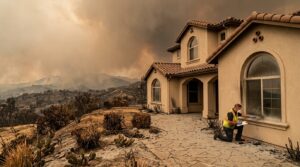
California’s homeowners insurance market has faced years of pressure from wildfire losses, rebuilding costs, and limited coverage availability. Several major insurers reduced new business or stopped accepting applications in parts of the state.
These changes left some homeowners with fewer choices. Others turned to the California FAIR Plan after they could not obtain suitable traditional coverage.
The September announcement suggests that insurers may gradually expand their participation under California’s Sustainable Insurance Strategy.
Why the proposed return matters for California homeowners
Allstate submitted its Sustainable Insurance Strategy homeowners filing on August 31, 2026. The company expressed its intention to resume writing new residential policies in California for the first time since 2022.
State Farm General followed with a filing on September 18, indicating plans to accept new homeowners applications for the first time since May 2023.
These filings represent a potential change in a market where many homeowners have experienced limited insurance options.
Nevertheless, a proposed expansion is not the same as an approved product or an available policy.
California regulators will review the companies’ submissions before homeowners can rely on the proposed changes.
Are State Farm and Allstate accepting new applications yet?
As of the Department of Insurance’s September 18 announcement, neither company had reopened for new residential business under these plans.
Therefore, homeowners should avoid assuming that an agent can already issue a new policy simply because a news report mentions the insurers’ return.
Eligibility rules, rates, availability, and effective dates depend on the regulatory process and the companies’ final approved programs.
Meanwhile, homeowners should continue exploring currently available coverage through licensed agents and brokers.
Our California home insurance guide for 2026 explains the broader market, including the FAIR Plan and wildfire-related discounts.
Why wildfire safety certification could influence eligibility
State Farm’s filing links its proposed new business to the Insurance Institute for Business & Home Safety’s Wildfire Prepared Home standards.
According to the California Department of Insurance, State Farm proposes coverage for homes meeting the Enhanced designation statewide.
The company also proposes coverage for homes meeting the Essential designation in low- and moderate-wildfire-severity zones.
This does not guarantee acceptance for every certified property. The final approved underwriting rules, location, property condition, and other eligibility requirements may still matter.
However, the announcement demonstrates how documented wildfire preparation could become increasingly relevant when homeowners shop for coverage.
How wildfire-resistant homes fit into California’s insurance strategy
California’s Sustainable Insurance Strategy aims to improve coverage availability while maintaining regulatory oversight of insurance rates.
The state wants insurers to write more policies in wildfire-distressed communities rather than leaving homeowners with fewer options.
At the same time, insurers need ways to evaluate properties and understand how homeowners have reduced avoidable fire risks.
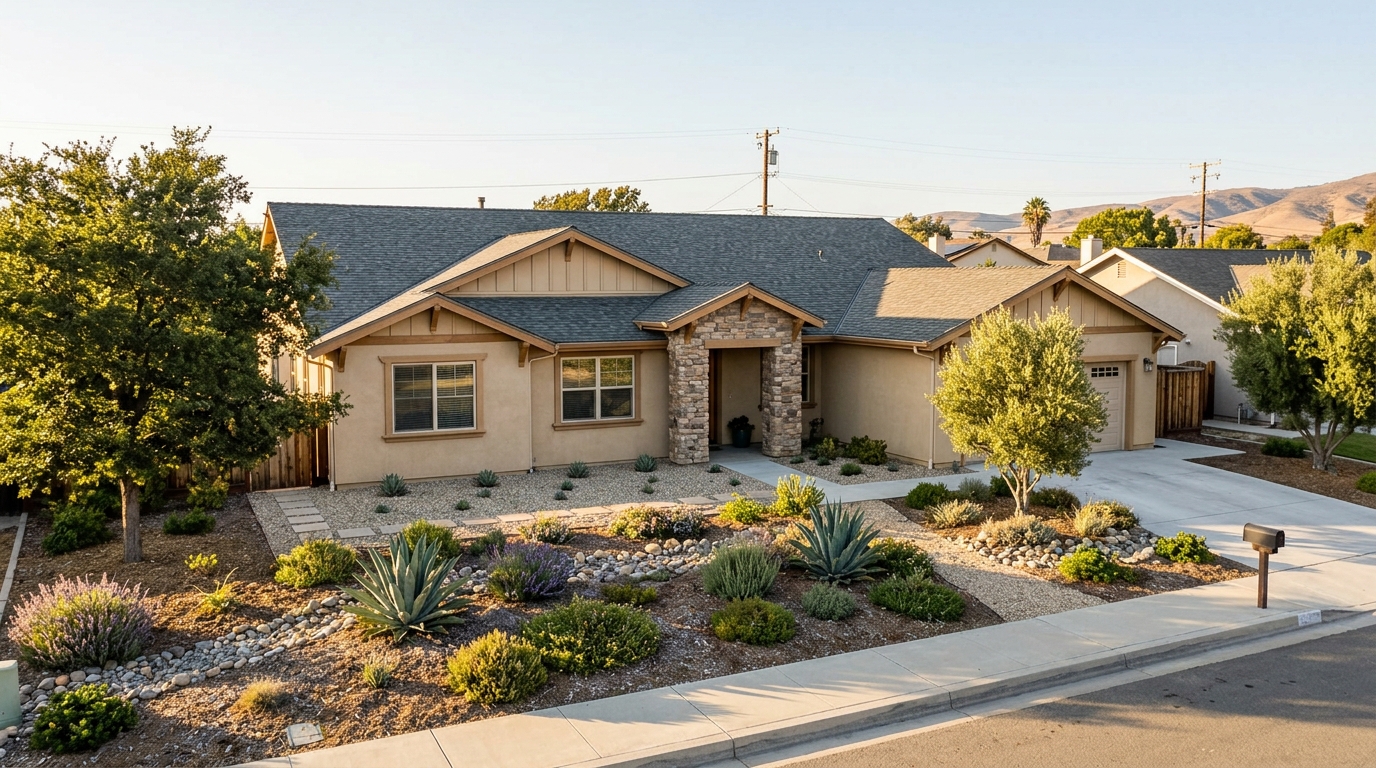
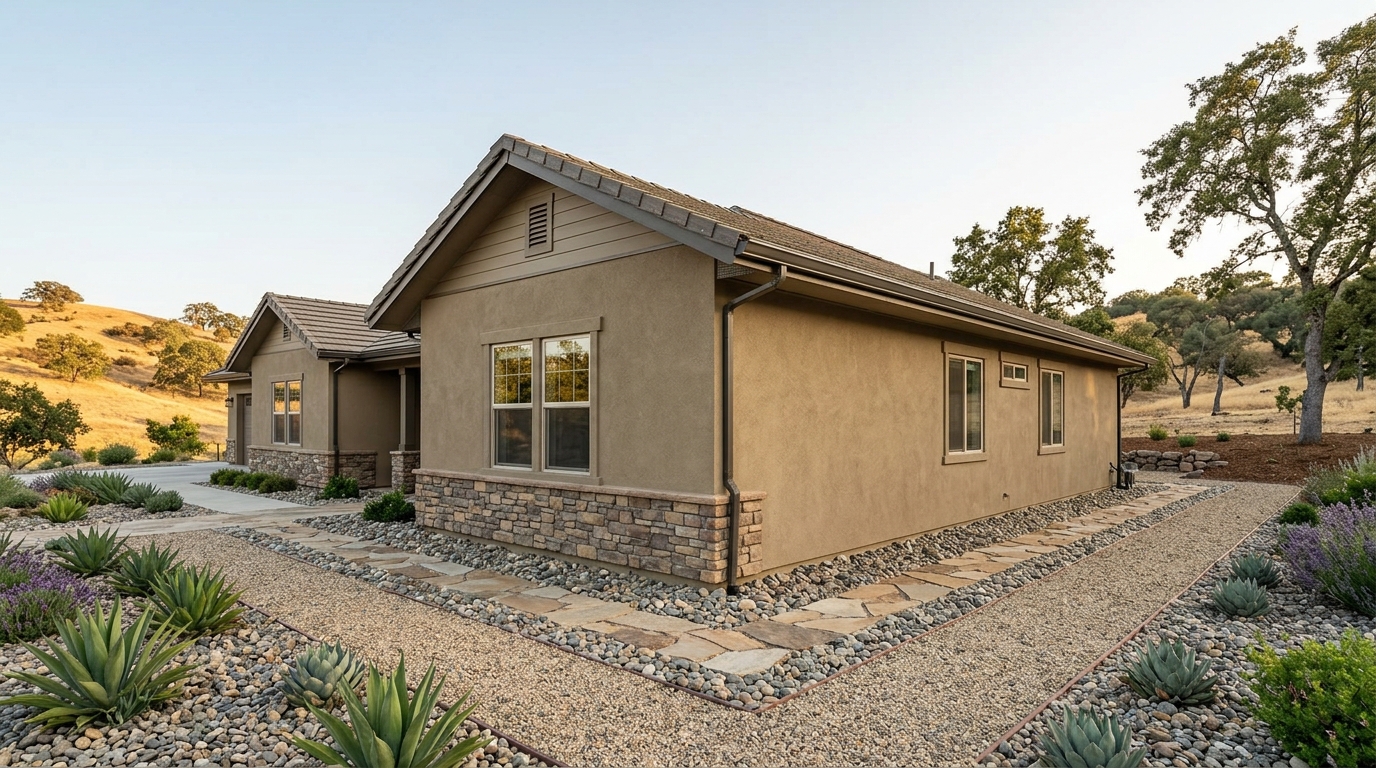
Home hardening addresses vulnerabilities that allow embers, radiant heat, or direct flames to ignite a building.
Home improvements that may help reduce wildfire risk
CAL FIRE identifies several ways homeowners can strengthen their properties against wildfire exposure.
Examples include maintaining a Class A-rated roof, reducing combustible materials near the house, installing suitable ember-resistant vents, and addressing gaps around doors and other openings.
Homeowners should also clear leaves from roofs and gutters and maintain defensible space around buildings.
The first five feet surrounding a home deserve particular attention because combustible materials near exterior walls can create ignition hazards.
Not every improvement qualifies a property for an insurance discount or certification. Homeowners should review the relevant standards before beginning work.
For official guidance, visit CAL FIRE’s Home Hardening resource.
Keep photographs, invoices, product information, and inspection documents after completing eligible improvements.
How California Homeowners Can Shop for Insurance in 2026
Homeowners do not need to wait for State Farm or Allstate to finish the regulatory process before reviewing their coverage.
Start with your existing policy. Locate the declarations page and examine the dwelling limit, personal property coverage, liability protection, deductible, and additional living expense provisions.
Next, determine whether your insurer has changed any important conditions or announced a nonrenewal.
If your renewal date is approaching, contact a licensed insurance professional early enough to compare alternatives.
Compare traditional homeowners policies and FAIR Plan coverage

Traditional homeowners policies generally combine several protections. These may include coverage for the dwelling, belongings, personal liability, and temporary living expenses after a qualifying covered loss.
However, policies differ. Homeowners should check the actual contract instead of assuming that every insurer provides identical protection.
The California FAIR Plan serves as an important option when suitable coverage is unavailable through the regular market.
Still, a basic FAIR Plan policy does not automatically include every protection that a traditional homeowners policy might provide.
Some property owners obtain supplemental Difference in Conditions coverage to address particular gaps.
Homeowners should review the combined cost and protection before deciding which arrangement meets their needs.
Insurance shopping checklist for California property owners
Begin by requesting quotes from currently available insurers. Compare more than the annual premium.
Check the dwelling replacement-cost estimate, deductibles, exclusions, liability limits, and coverage for additional living expenses.
Ask whether the policy includes extended replacement cost or building-code upgrade coverage.
Next, review wildfire-related discounts and determine which home improvements qualify.
If a company requires inspections or certifications, ask what documents it accepts and whether additional conditions apply.
Also, compare payment options and confirm the policy’s effective date before canceling any existing protection.
A lower premium may offer poor value if the policy introduces major coverage gaps or unusually high deductibles.
For homeowners considering a move, our California housing market guide explains why insurance availability affects property ownership and selling decisions.
Mortgage lenders generally require borrowers to maintain suitable property insurance.
Therefore, losing coverage can create problems beyond the cost of replacing a policy.
Homeowners facing nonrenewal should act promptly rather than waiting until the existing policy expires.
If a broker recommends the FAIR Plan, ask whether they have also checked available admitted-market insurers.
Some homeowners may qualify for standard coverage after completing documented wildfire mitigation work.
Others may still face restrictions because insurers consider several property and neighborhood factors.
Do not assume that a safer roof or cleared landscaping guarantees approval.
Insurance companies may also examine construction type, maintenance, location, rebuilding costs, and exposure to nearby vegetation.
Additionally, policyholders should review their replacement-cost limits regularly.
The market value of a California home does not necessarily equal its reconstruction cost.
Land value, neighborhood demand, and local home prices influence market value. Reconstruction estimates focus on rebuilding the insured structure after damage.
These amounts can differ substantially.
Homeowners who recently remodeled, expanded their property, or added valuable features should ask whether their existing coverage still reflects the cost of rebuilding.
Documentation also matters after a loss. Maintain photographs of rooms, major belongings, exterior features, and completed improvements.
Store important records securely and keep backup copies outside the physical home.
For readers concerned about post-fire claims, our wildfire smoke damage claims guide discusses documentation and insurance questions involving smoke-affected properties.
California also enacted additional smoke-damage consumer protections in September 2026. These changes highlight why homeowners should follow official guidance when evaluating insurance claims.
However, claim-handling laws and insurance-shopping requirements address different issues.
A homeowner should not assume that a new insurance regulation automatically changes coverage under every existing contract.
Ask the insurer or a qualified professional how applicable rules affect your specific situation.
Another useful step is monitoring California Department of Insurance announcements for updates about the proposed State Farm and Allstate programs.
As of the September 18 announcement, both filings remained under review. The department did not provide a guaranteed date when either company would begin issuing new policies.
That distinction matters because homeowners need dependable coverage now, not merely the possibility of another option later.
California’s insurance market may become more competitive if the proposed expansions receive approval and insurers follow through.
Nevertheless, meaningful improvements will depend on actual policy availability, underwriting decisions, and costs for individual households.
State Farm and Allstate California home insurance in 2026 represents a potentially important development for homeowners who have experienced limited choices.
For now, the most practical approach is to review your existing coverage, document wildfire mitigation improvements, compare available policies, and follow verified regulatory announcements.
Prepared homeowners can make stronger insurance decisions without relying on premature promises about policies that are not yet available.
Disclaimer: This article provides general homeowner education and does not offer insurance, financial, or legal advice. Coverage, rates, eligibility, and regulatory approvals may change. Consult a licensed insurance professional for guidance about your property.